- Tūhono home Hoki ki Tūhono
-
- Staff Directory
- Chief Executive Office Chief Executive Office Finance People and Safety People, Culture and Wellbeing Wellbeing and Safety Operations Academic Registry Campus Environment Digital Functions and Catering International Marketing, Communications and Engagement Polykids
- Learner Experience and Partnerships Learner Services Tiriti and Partnerships Pasifika Te Pā Tauira Te Punaka Ōwheo Industry Training and Innovation Central Otago Campus College of Engineering, Construction and Living Sciences Te Maru Pumanawa | College of Creative Practice and Enterprise Academic Delivery Academic Excellence Research and Postgraduate Studies College of Community Development and Personal Wellbeing College of Health Te Ama Ako | Learning and Teaching Development
- Auckland Staff Directory Executive Office Academic Marketing and Business Development Human Resources Campus Quality and Programme Development
-
 Our people make a better world
We build the capabilities of individuals, organisations and communities and help them to realise their potential.
Staff Directory
-
- Tools
- Academic Integrity Declaration Form AIC applications dashboard AI support for ākonga Approved programmes Approved programme fees Centralised assessement repository Chemwatch Course evaluation and surveys CMS CRM applications CRM Communication Guide CRM customer service hub DataHub Delegations policy/process Disability and neurodiversity Dynamics 365 (CRM) EBS Ontrack EBS Report Email security personal portal Employment Matters @ OP eTaxi eTV
- FCM travel intranet Financial variance reporting Gift, Koha and Hospitality Register Hidden Disabilities Sunflower programme Image Library InPlace International entry requirements Knowledgebase articles Learner support dashboards Linkedin Learning Login as an applicant Marketing support Media consent form Microsoft 365 Moderation App Moodle Nurture Guide and templates OP Docs OP Docs - Publishing Performance Excellence Portal Performance Review system Pocket Lab (student healthcare) Product Evaluation Panel
- Policy Library Privacy Programme and course design/development Qualtrics XM RDS Remote access support portal Research Database Robertson Library Staff FAQs about graduation Status of Programmes Student intranet (Kāpehu) Study Abroad info for learners Taha Talks (videos for students) Tūhauora I Wellbeing resources Uniprint Vault Webexpenses Auckland tools
-
 Vault
Had an accident or near miss?
Log it here
Vault
Had an accident or near miss?
Log it here
-
- Communities
- Community AI Steering Committee Ally Network EBS Community of Interest EdTech Champions Health & Wellbeing Research Internal Evaluation Neurodiversity Professional Team Professoriate Proud@OP Student Support Website Advisory Group Web Champions Working under the Rainbow Project Learner Capability Trade Training Centre
- Committee Academic Committee Animals@OP Diversity and Equity Doctor of Professional Practice Committee Kaunihera Whakahaere - Leadership Council Internal Evaluation Learning & Teaching Leadership Team Library Committee Mental Health and Wellbeing Advisory Group Otago Polytechnic Board of Directors Pastoral Care Code Committee Policies Committee Programme Approvals Committee Research and Postgraduate Committee Research Ethics Committee Staff Subcommittee
- Pou Think Tanks Mātauraka Our learners achieve educational success Pūtea Our financial success Tākata Our people, our team, our community Tiriti Our active commitment as a Treaty partner Tūroa Our commitment to be a sustainable and responsive organisation Unions TEU TIASA
-
 Create a community
Do you have a community, committee or project that you'd like represented here?
Communities
-
- About OP
- Keep up to date All news All events All notices All blogs Share your info Create a news article Create an event Create a notice Create a blog
- Community and Partnerships Alumni and friends Education Foundation Operational information Academic calendar 2026 Academic calendar 2027 Current vacancies Dunedin Campus map Official Information Act request Our policies Privacy request
- Who we are About Te Kāhui Manukura (TKM) Commemorative sites Leadership structure Māori Strategic Framework OP merchandise Our Council Our history Our strategic priorities Pasifika Action Plan Pasifika Strategic Framework (2025-2030) Vision and values Working for us OP job opportunities Wellbeing calendar Working at OP
-
New Zealand: 0800 762 786
Contact us
International: +64 3 477 3014
Navigating leadership pathway: A focus on challenges and opportunities for Pasifika women in the Royal New Zealand Navy (RNZN)
Author: Maria Ngalutuku Pahulu Junior
Supervisors: Richard Mitchell Steve Henry
18 November 2025
Pahulu Junior, M. N. (2025). Navigating leadership pathway: A focus on challenges and opportunities for Pasifika women in the Royal New Zealand Navy (RNZN) [Master's thesis, Otago Polytechnic].
Abstract
As a Pasifika woman serving in the Royal New Zealand Navy (RNZN) for nearly two decades, this research did not emerge from academic distance but from lived experience. I carry with pride the interwoven threads of my Tongan, Samoan, and Fijian heritage, and with them, the complexities of navigating military service, cultural identity, and leadership expectations. The silence surrounding Pasifika women’s leadership journeys in uniformed spaces compelled me to ask: how do we lead, and how are we seen?
As shown in Figure 1, the leadership pathway illustrates the journey of Pasifika women as they navigate military and cultural spaces within the RNZN. Figure 2 presents The Pink Hibiscus Vision, a leadership model represented by five petals: Identity, Mentorship, Resilience, Legacy, and Tautua (sacred service).
Throughout my 19 years of military service, I have held instructional, leadership, recruitment, and cultural advisory roles, each of which has exposed gaps in how Pasifika Wāhine leadership is recognised and nurtured.
This thesis examines the leadership experiences of Pasifika women in the RNZN, focusing on how cultural values shape leadership within military structures. Grounded in Talanoa (relational dialogue), Wayfinding Leadership, and autoethnography, the study privileges Indigenous knowledge and lived experience. I weave my own journey with that of thirty-nine participants: sixteen through one-on-one interviews and twenty-three through Talanoa group sessions.
To honour cultural identity and maintain confidentiality, each participant received a pseudonym adapted from the phonetic alphabet. These names were then woven into a collective phrase, the ‘NZ Pasifika Wāhine Toa!’, symbolising legacy, solidarity, and ascendant leadership through an oceanic metaphor.
The findings are expressed through The Pink Hibiscus Vision, a leadership model shaped by five petals: Identity, Mentorship, Resilience, Legacy, and Tautua (sacred service). Participants described identity as quiet resistance, mentorship as deeply relational, resilience as communal and faith anchored, legacy as both inherited and offered forward, and tautua as a leadership practice rooted in love and duty.
Rather than focusing on gaps, this research affirms the strengths of Pasifika women in uniform who lead with cultural integrity, spiritual grounding, and intergenerational purpose. It challenges Eurocentric leadership frameworks and offers a culturally grounded alternative in which leadership blooms from the roots of gafa (genealogy), vā (relational space), and lived service.
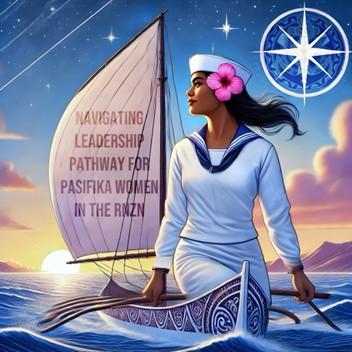
Figure 1. Navigating Leadership Pathway. Author's own.
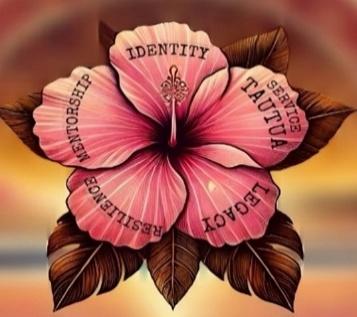
Figure 2. Full Pink Hibiscus Vision Framework with all five thematic petals labelled. Author's own.
Note. Images created by the author using Canva (https://canvachatgpt.com), for educational purposes.
Keywords
Pasifika leadership, women in the military, Indigenous leadership, autoethnography, talanoa, Royal New Zealand Navy
Licence
This thesis is not publicly available.
The author can be contacted on mariapjunior@iCloud.com to request a copy.